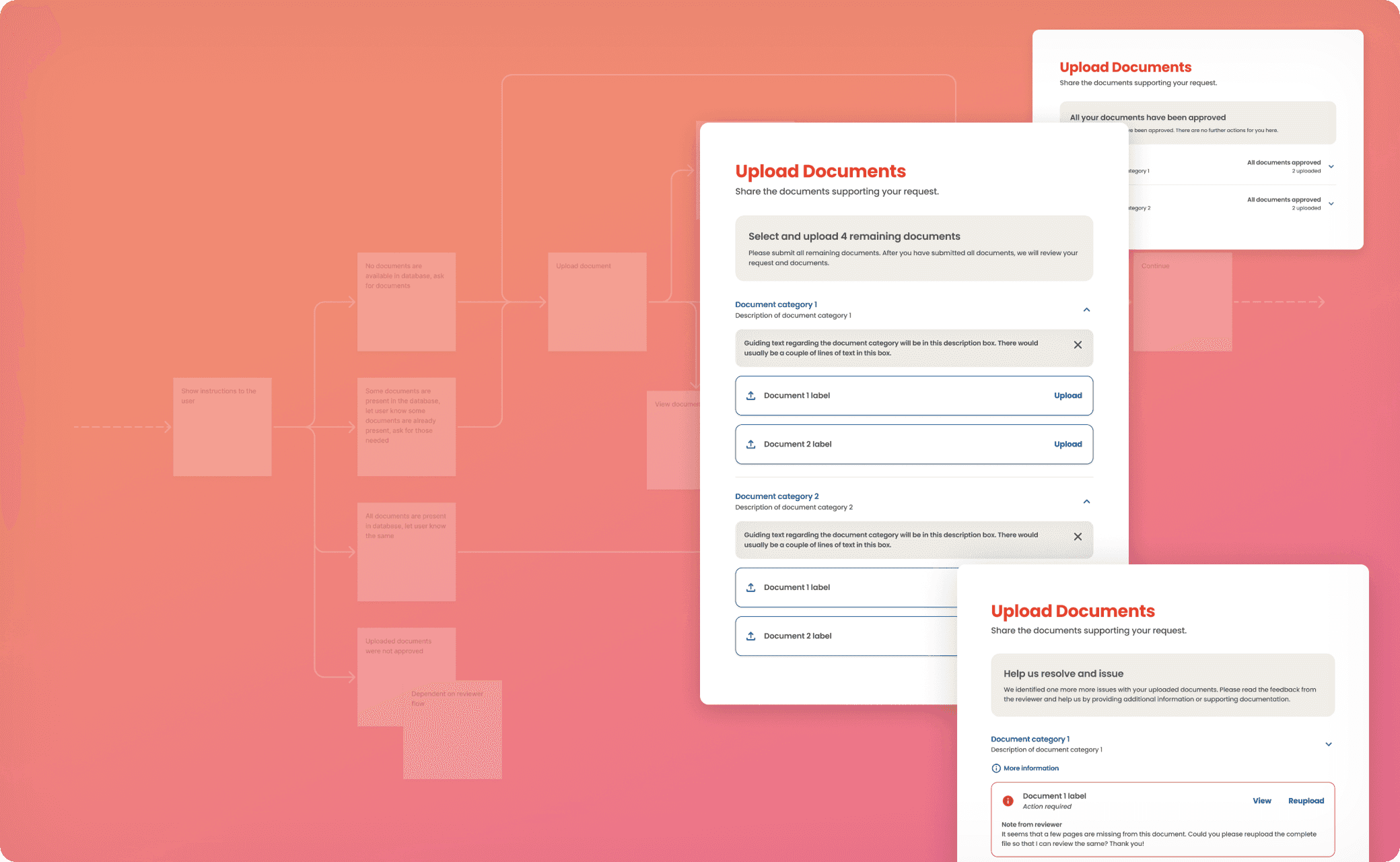
Deloitte needed to rapidly deliver client value by creating an end-to-end digital solution that would replace fragmented touch-points in complex financial processes. Drawing from extensive experience digitising financial workflows, Deloitte had accumulated significant domain knowledge from previous projects. This expertise could be distilled into a white-label product suite as a collection of modular features that could be stitched together to create tailored customer journeys in the client’s brand.
Each client would be served by a delivery team equipped with the modules we developed as part of the white-label product.
As the sole designer, I leveraged:
Extensive data and insights from previous projects collected by project teams
Financial services design and strategy subject matter experts with 10+ years of domain experience
By the time I had joined, the modular features to be designed and developed had been decided by the product lead based on how critical these modules are for the process.
By key responsibility was to design features and set up design and development workflows to support scalable repeatable delivery.
Role
Senior Product Designer (sole designer)
Core team
Product manager, Tech lead, Business Analyst, 5 member development team comprising of front-end, back-end and infrastructure engineers
Extended team
Global design teams utilising a core UI kit
Contributions
UX Design, Design Systems, Operations, Design Sprints
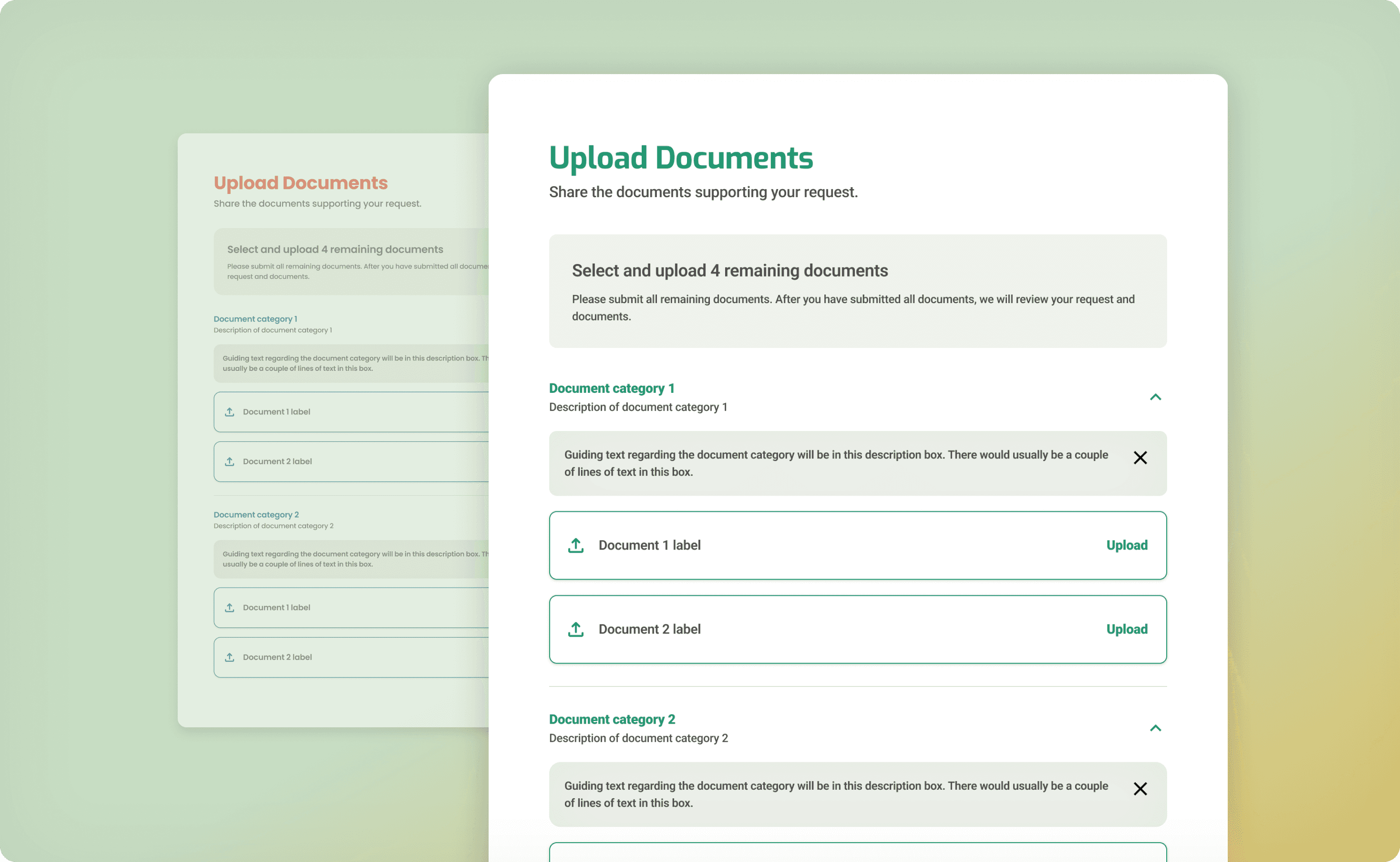
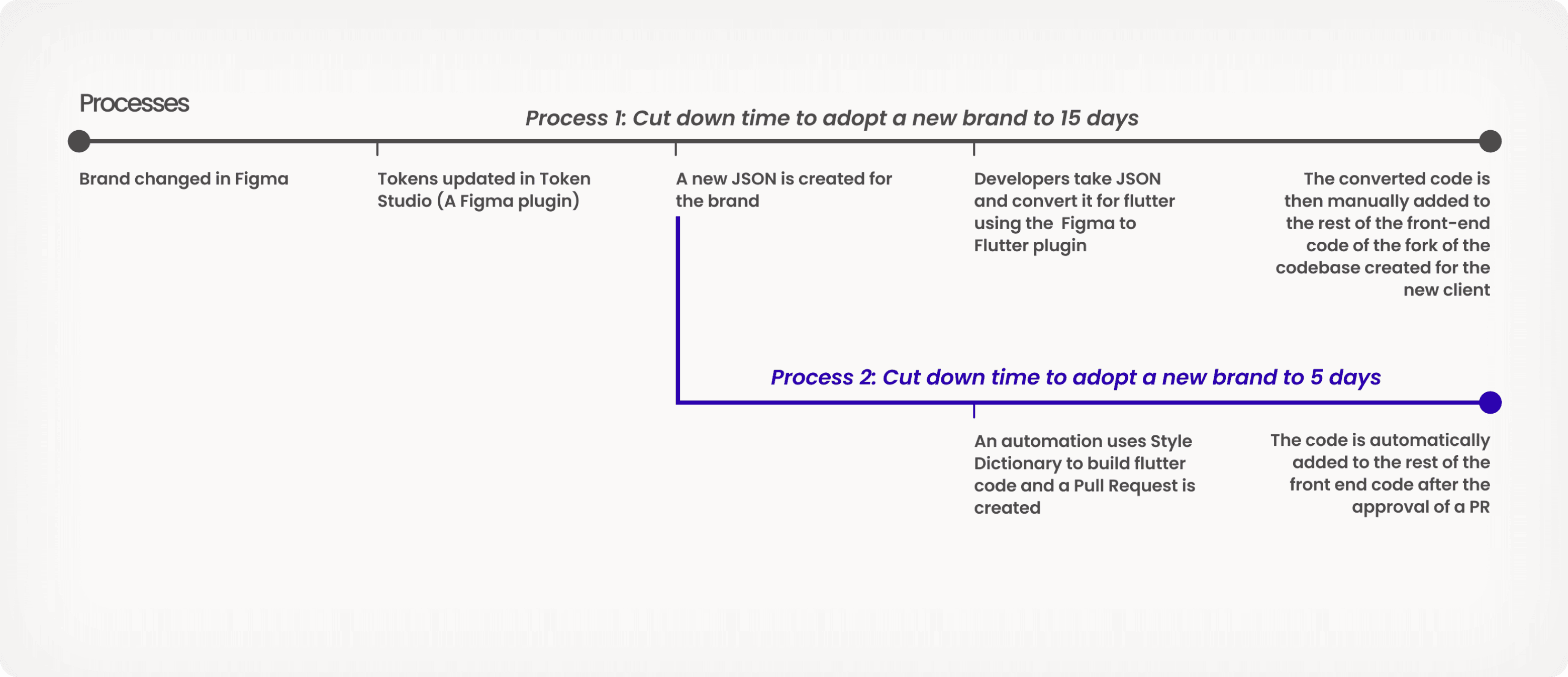
I led the creation of a scalable design system that accelerated product deployment from months to 5 days across different brands.
I realised that there needs to be a way to facilitate easily switching the product to the client’s brand. For a truly impactful solution, managing the brand styles should be done not only on Figma but also within the codebase. Due to unpredictable deadlines around client proposals, the solution needed to be quick and effective.
After extensive desk research, discussing with developers and designers from global Deloitte firms, I led the implementation of a workflow that allowed me as the designer to easily maintain and manage various brand styles for the product.
Here’s a peak into the workflow we implemented:
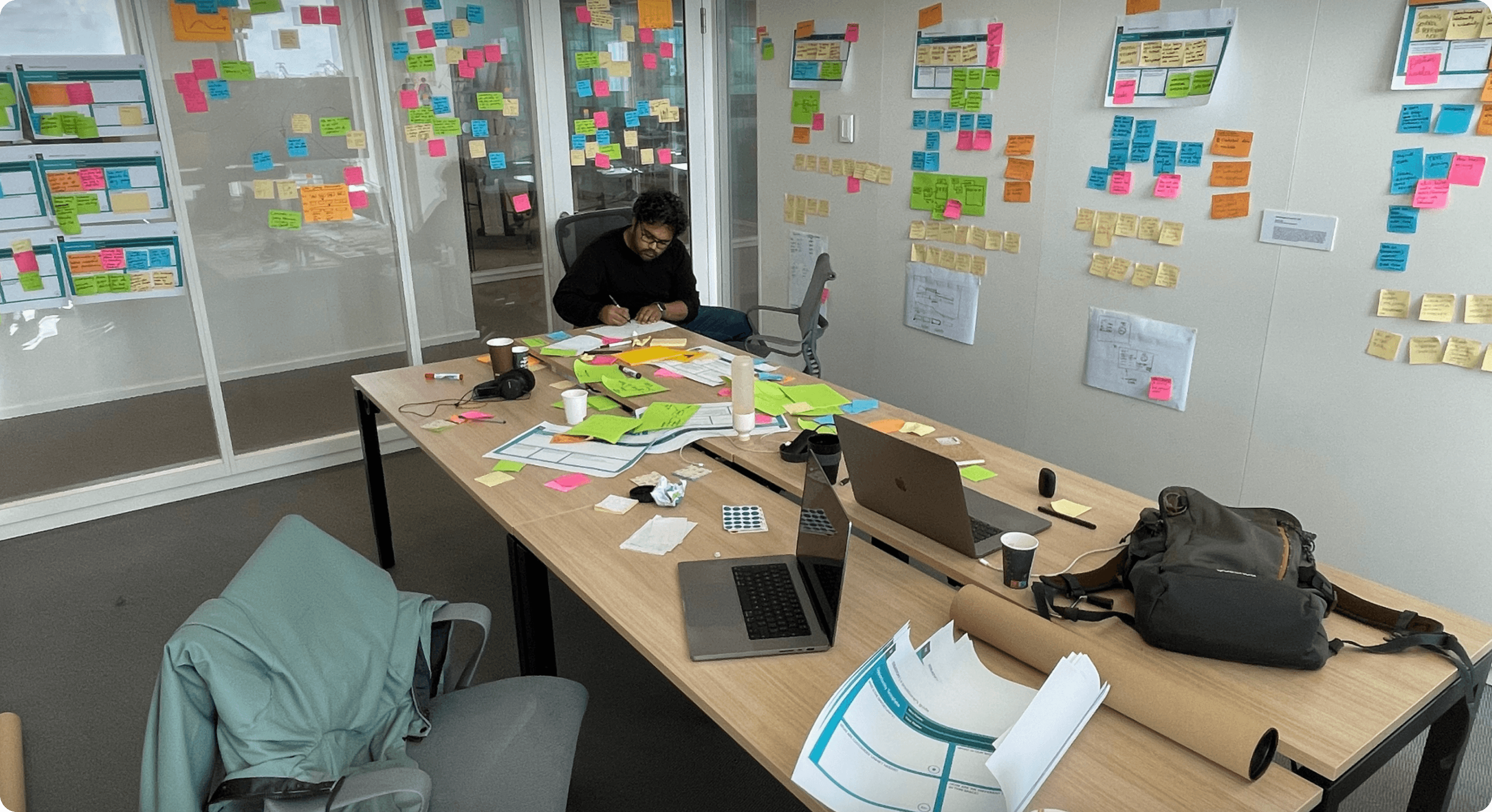
Senior leadership wanted to ensure that we develop cutting edge features that add value to the client. We needed a cost effective way to test potential concept directions. To achieve this, we conducted 10-day sprints that started with exploring opportunity areas and resulted in proof of concepts.
The sprints also served as a learning method as we got several valuable insights from the process itself.
For the sprints, we had adopted a Explore, Make, Validate cycle.
Explore: Research to gain insights into the trends and customer needs
Make: Prototype to make the future tangible
Validate: To validate the proposition with potential customer or subject matter experts
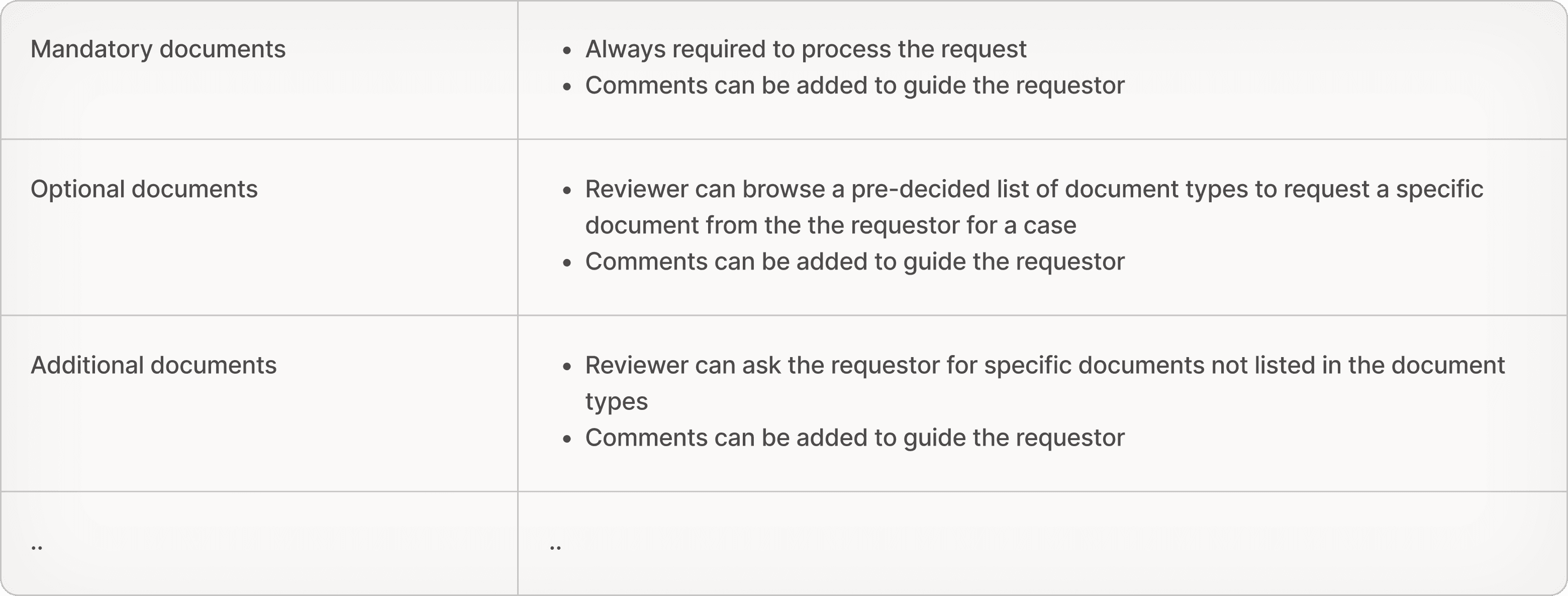
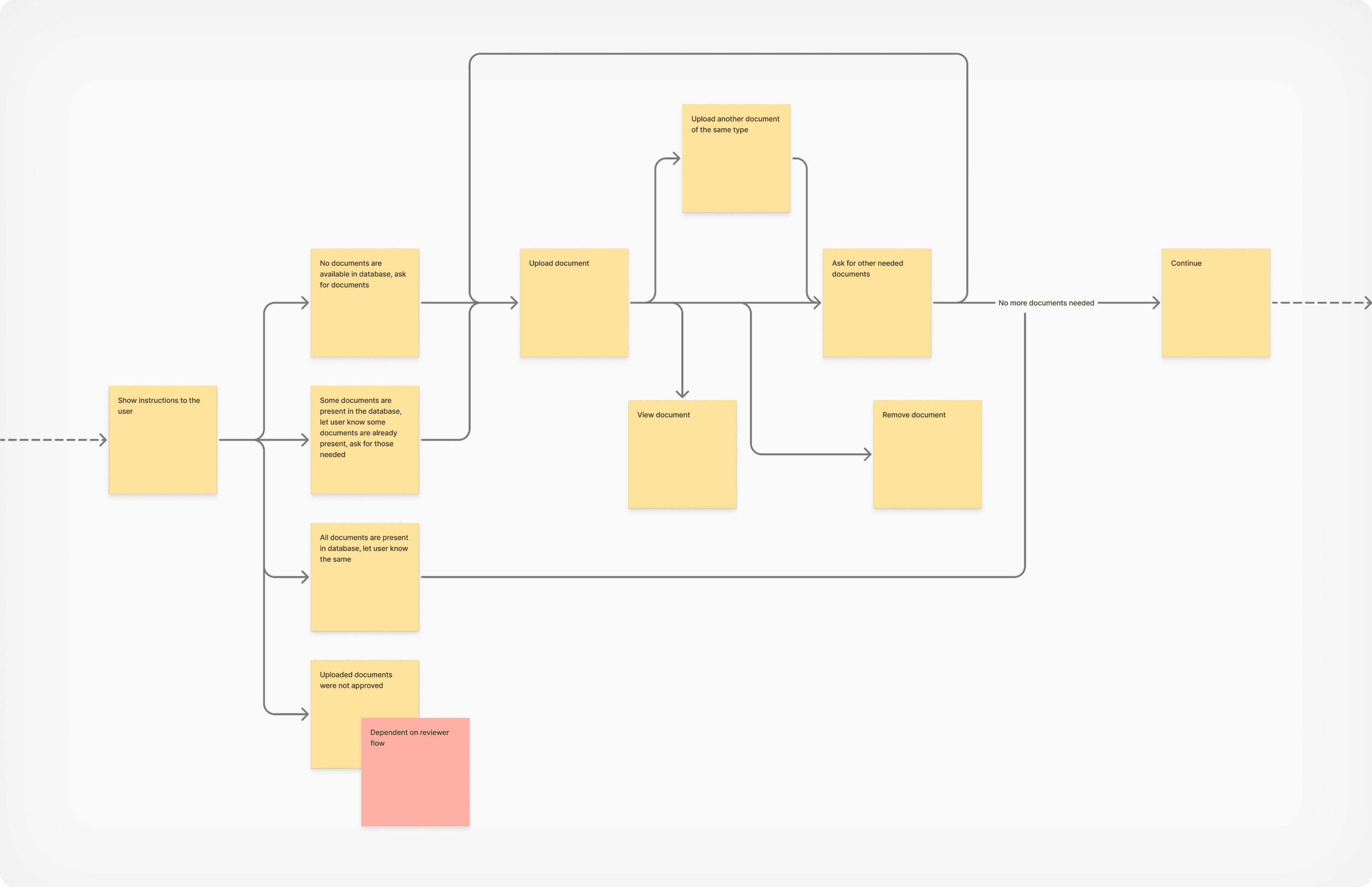
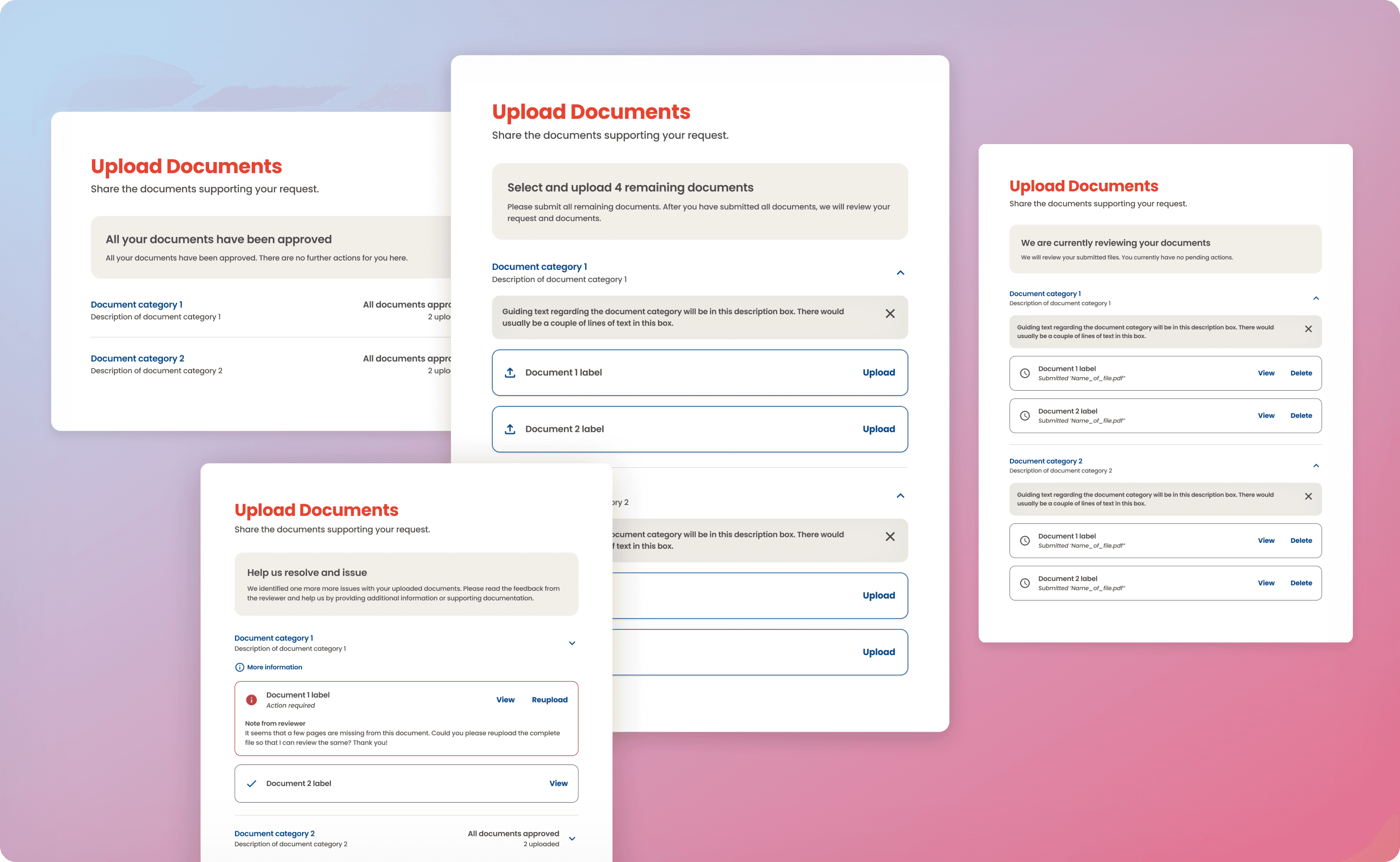
I collaborated with the product manager to write detailed specifications and documentation that improved development handoff and delivery timelines.
As stated earlier, the product we developed would serve delivery teams working on various client projects. In order to easily do so, comprehensive documentation was key so that the teams do not miss important context as they deliver the custom journey to the client created by stitching together the modules we developed.
To ensure this, together with the product manager, the functional specifications of every feature was documented on a Confluence page.
As I had mentioned earlier, for each feature designed, I would enter the copy in an Excel sheet as well. We utilised this sheet to also manage language translations as well.
Curiosity saves: In a project where the delivery team is essentially the first user of the product, it was important to really understand what would help delivery teams deliver the project in different client environments and not just end user experience. Just not being afraid to look stupid and asking questions was key to me delivering actual value on the project.
Avoid surprises: I learnt early on in the project that bringing decision makers and developers along my design process is a must rather than waiting for beautiful slideware.
Leadership through design: Whenever there were discussions about the value of a certain initiative or when there were conflicting potential directions, prototyping and just showing the potential of initiatives made a visible impact.
© Arun Abraham John 2025